
Lamb
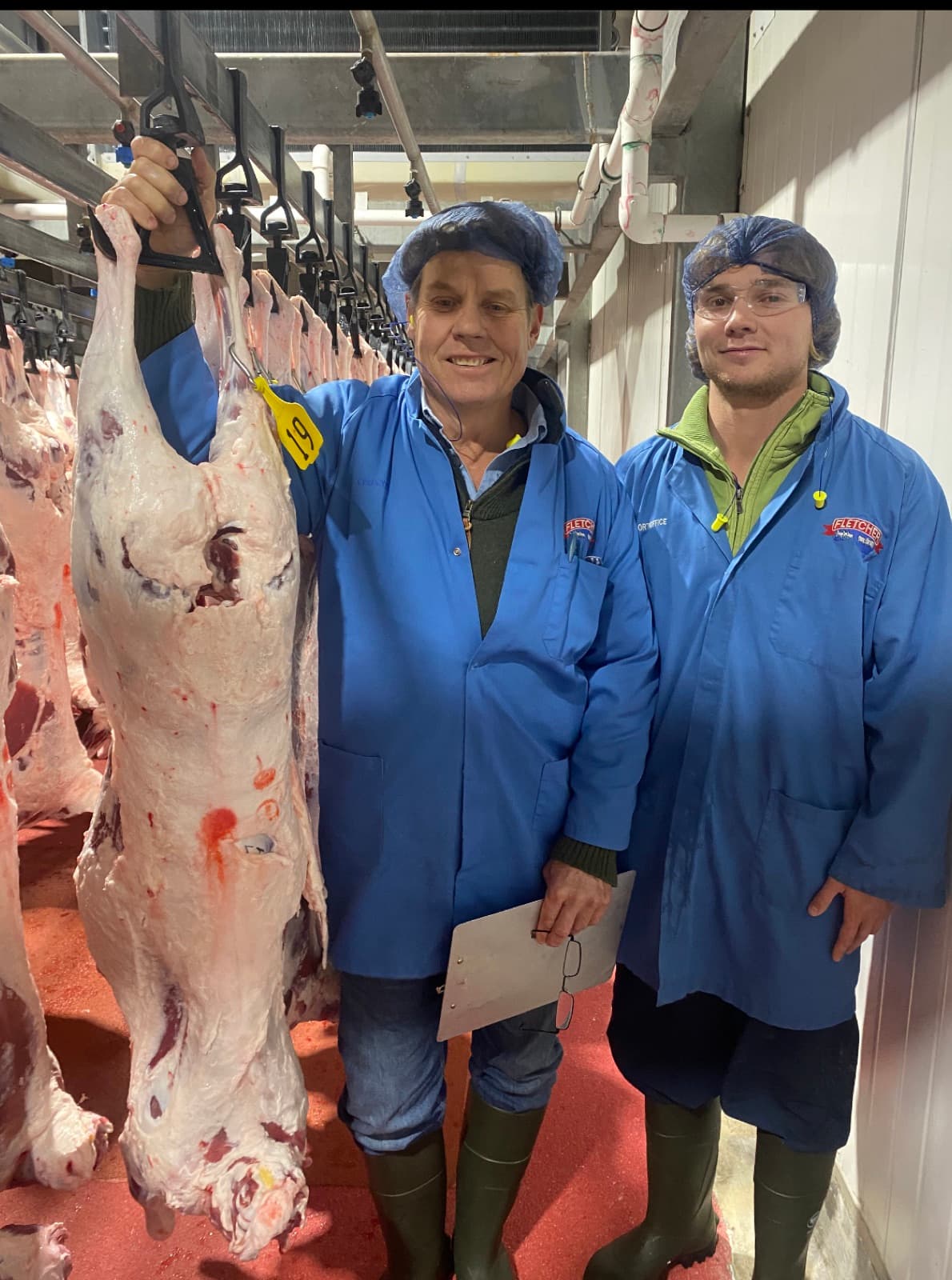
USA export — 30kg+ carcass, big eye muscle, >5% IMF, high yield, tender.
Market-aligned. Competitive. Future-ready.
We breed today for the markets you'll sell into over the next decade — genetics that compete now, and stay aligned as the market moves.
Five income streams off the one flock — each bred to a spec, not left to chance.
USA export — 30kg+ carcass, big eye muscle, >5% IMF, high yield, tender.
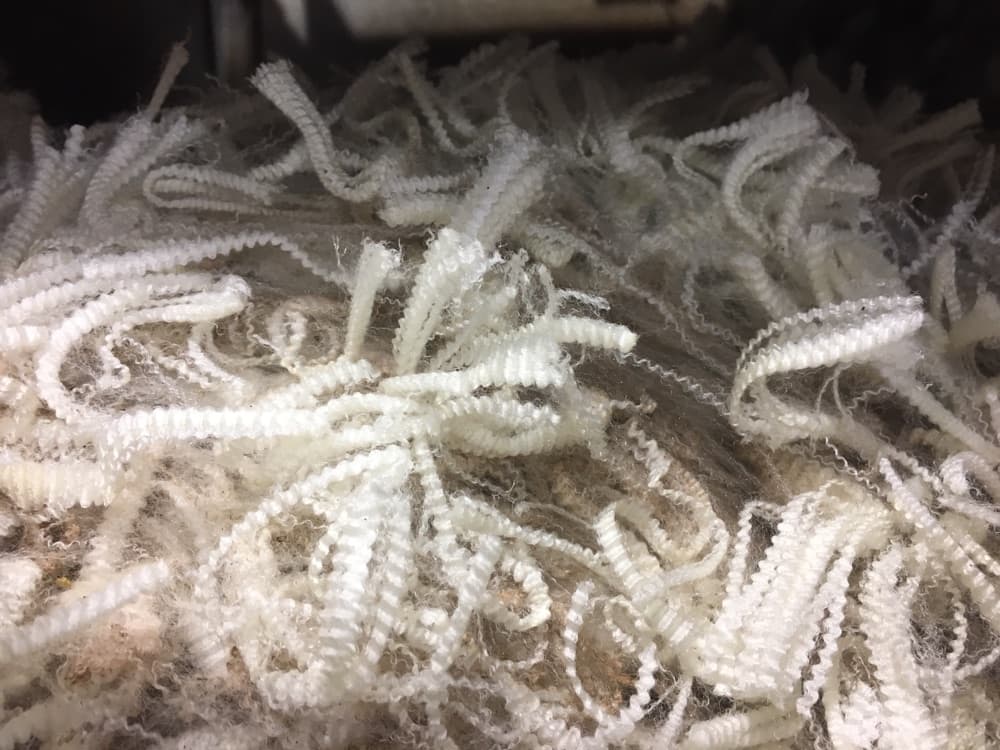
High-end apparel — mules-free, with provenance and traceability.
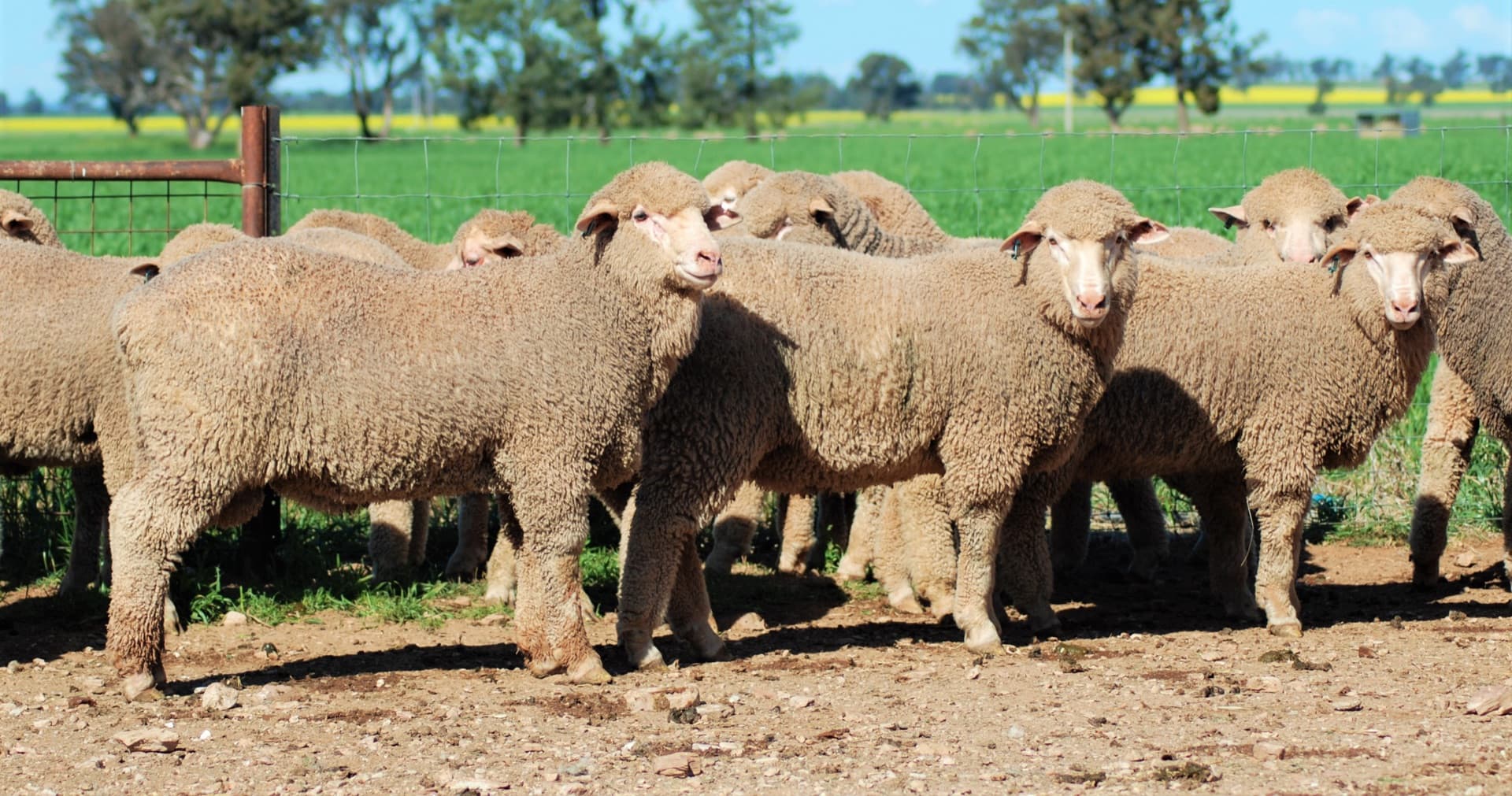
Premium wool-on (Ugg-style) — large, plain, even. Cleaner process, worth more.
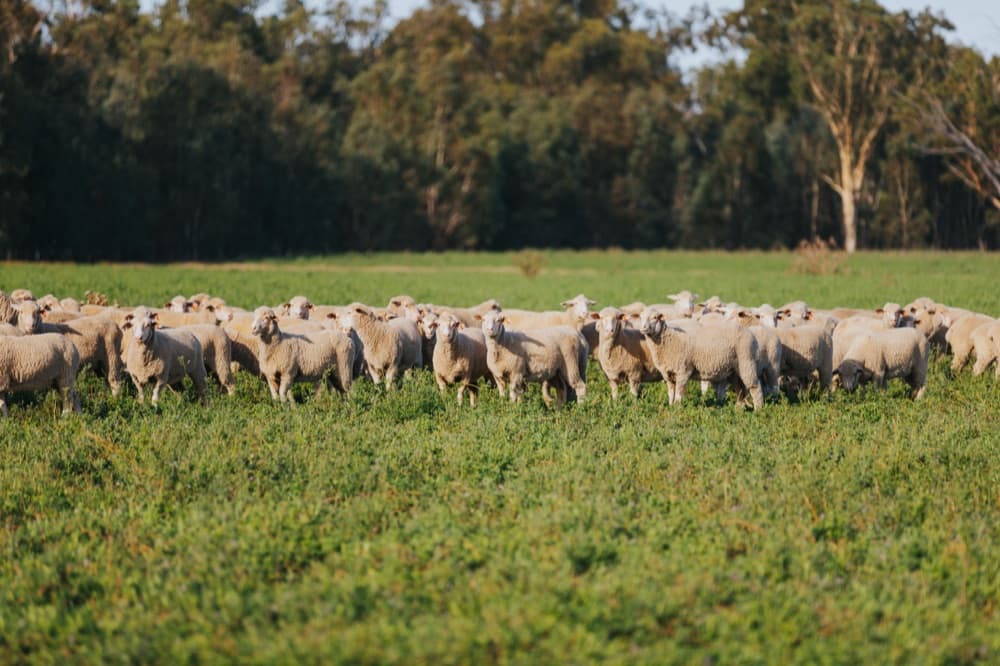
Restocker demand — 60kg+ ewe lambs at 8–12 months.
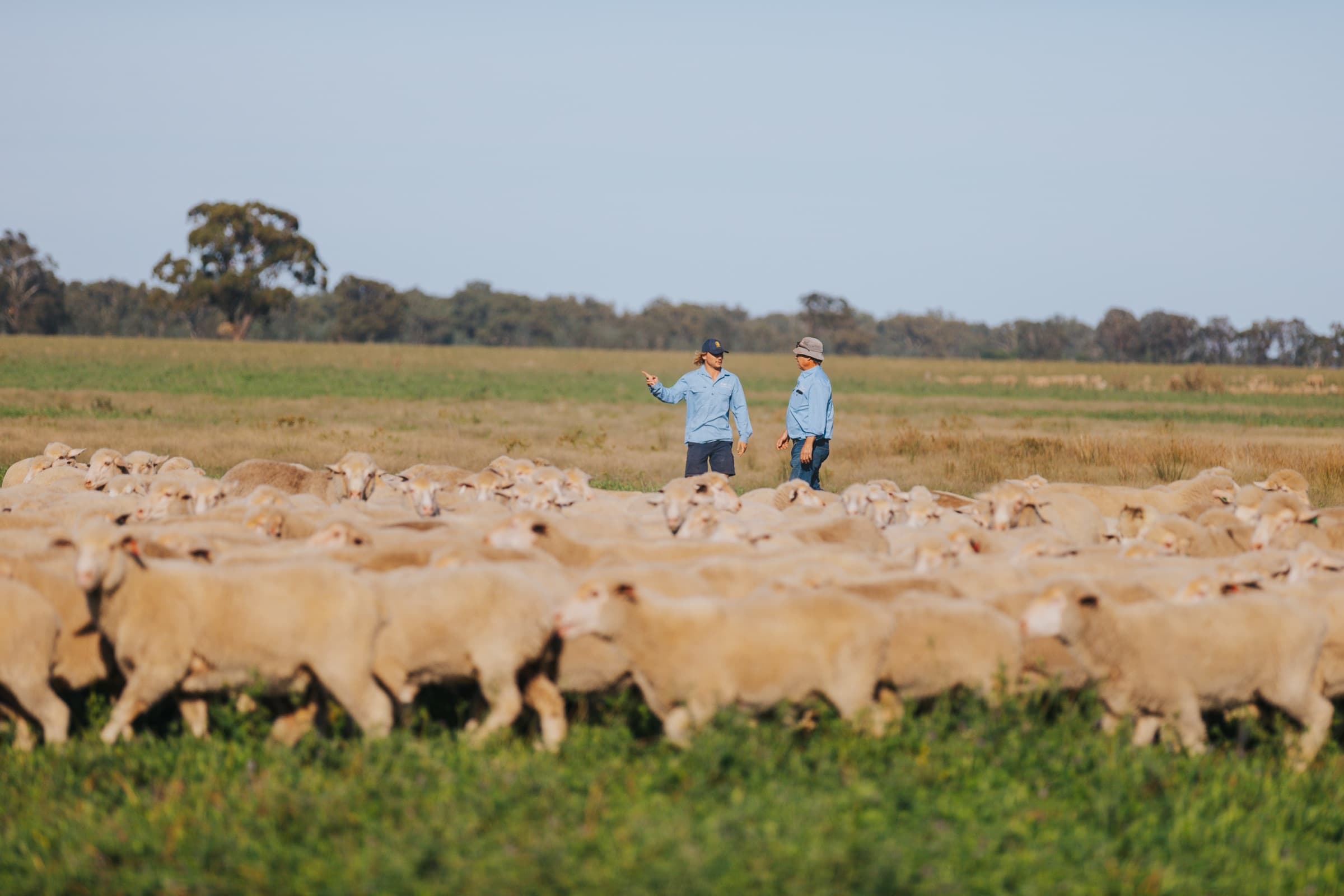
Heavy ewes with muscle and fat, fast to recover after lambing.
Who it works for
| Type | What they do | What they're chasing | What we breed for it |
|---|---|---|---|
| Breeder only | Self-replacing flock — ~6kg/ewe of 19–20 micron wool, plus store/feeder lambs to 30–45kg lwt | A simpler, low-input system — no finishing assets, low labour. Sheep that thrive under pressure: high stocking rate, dry conditions | An extreme-resilient ewe — body condition, low worms and dag, so she needs little labour or cost. Lambs that grow fast early and handle pressure, sold off at feeder weight |
| Breeder + finisher | Self-replacing flock — ~6kg/ewe of 19–20 micron wool, and finish all progeny to 26–32kg cwt | Full value captured in-house — meat, wool, mutton, surplus ewes and skins, all from one flock | The same easy-care ewe, plus a lamb that finishes to export weight at the lowest cost — performing in the feedlot or on grass, on par with or better than other breeds. Five income streams spread risk and lift overall profit |
| Finisher | Buy in store/feeder lambs to finish | Fast early-growth animals that hit the ground performing — turn off fast, reach export grids on weight and quality. More profit per head than any breed | Extreme early growth, eye muscle, yield and IMF to export weight at the lowest cost — in the feedlot or on grass |
Trigger Vale feeder lambs are in high demand from traders and feedlots — the flexibility to sell at weaning, or finish, is yours.
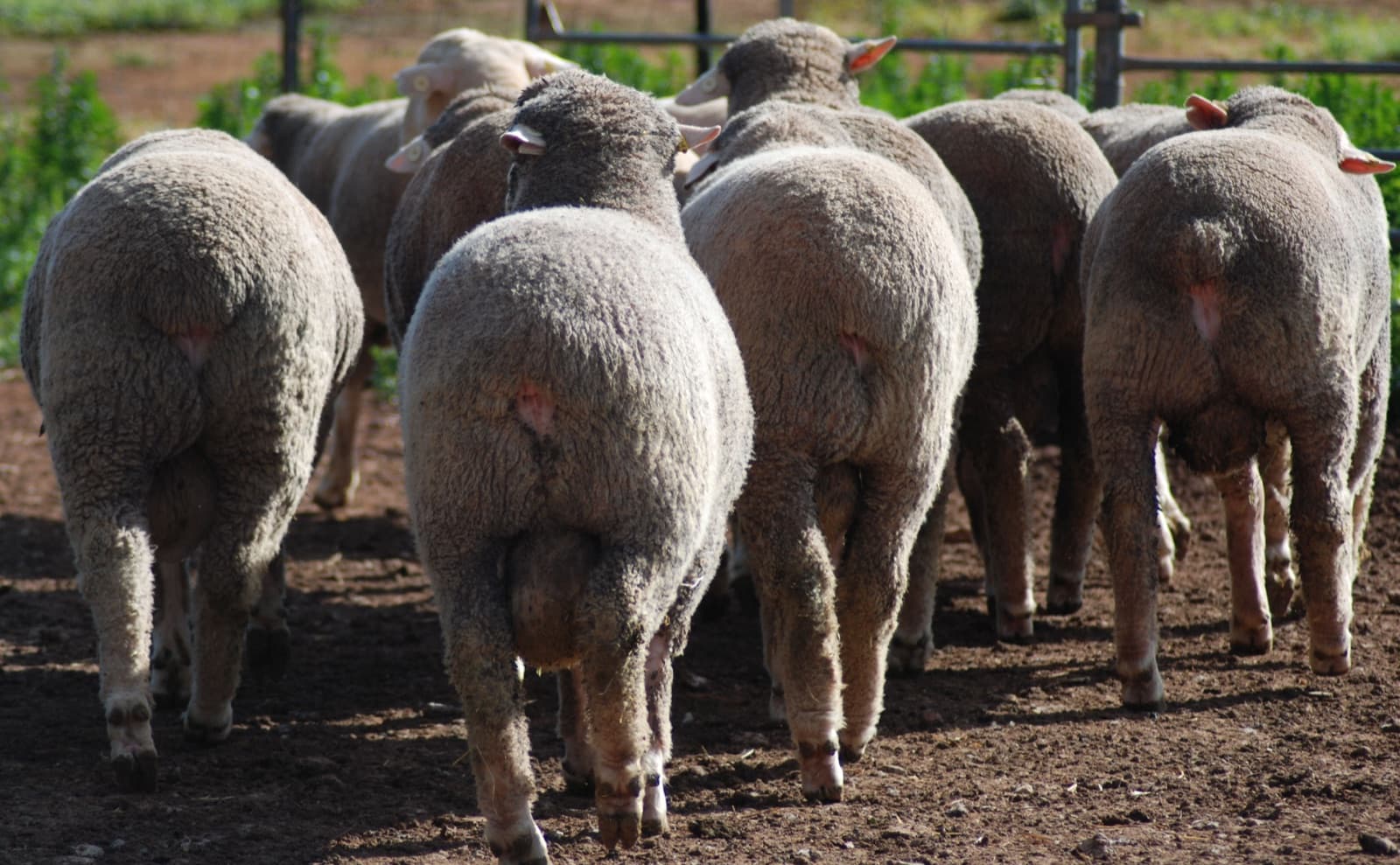
A Trigger Vale is built like a meat sheep — long, deep, and square through the loin and hindquarter. Not the narrow, traditional Merino frame. Shape is the non-negotiable. Data comes second.
Each goes deeper on its own page.
How we select
The eye — the gate
Shape, feet, structure and wool quality come first — the things ASBVs can't see. Fail there, and no number saves the sheep.
The data — the leverage
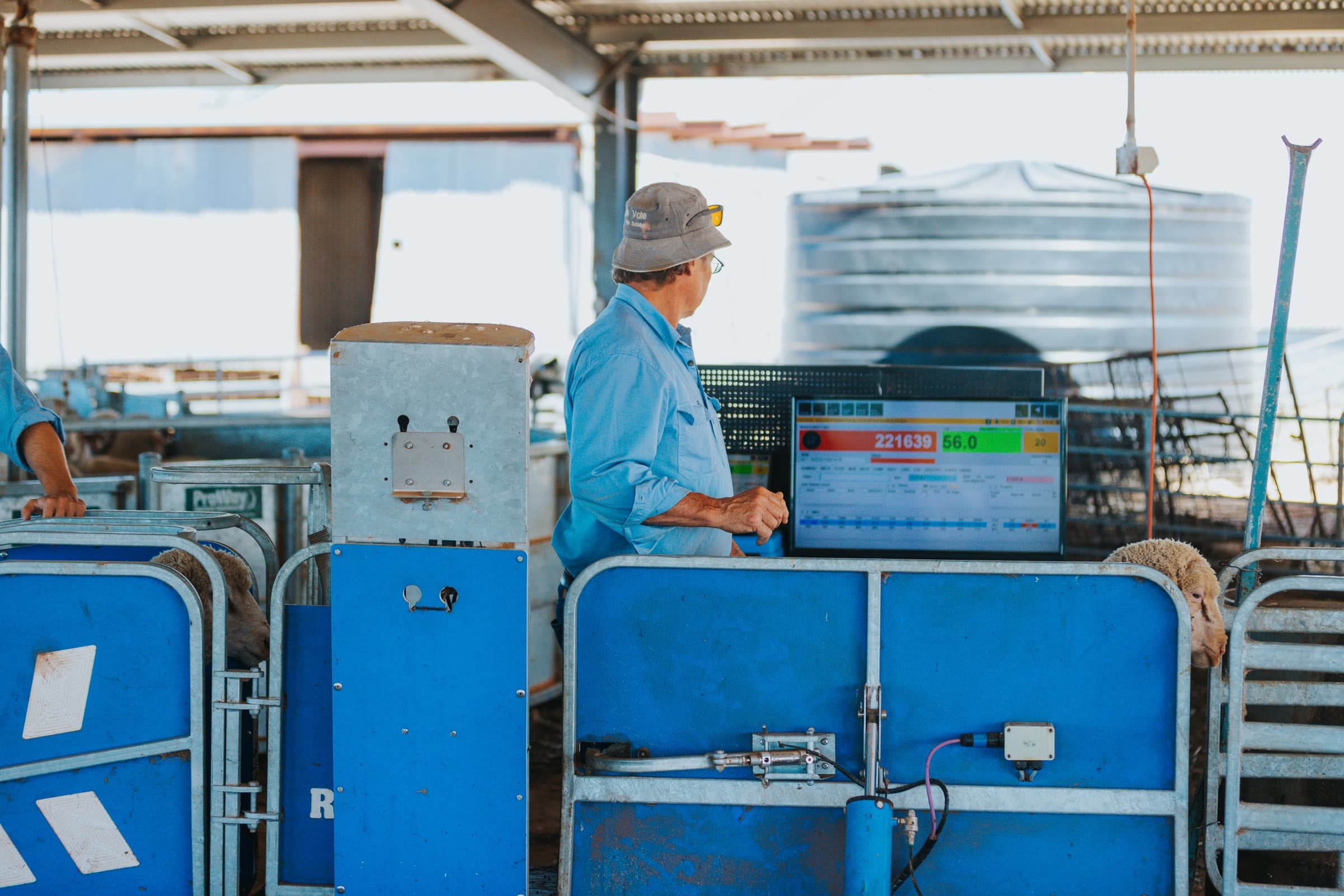
Pass, and the data does the heavy lifting: full ASBV profile, 5-star quality, every call from there.
fast early turn-off (under 10 months), ewe-lamb joining at 7–8 months, extreme early growth for grass and feedlot finishing, high eye muscle, fat for finishing, resilience and high stocking rate.
above-average IMF, and long-term shear-force gains for tenderness.
hold fleece weight, lower micron over time from ~19µm with no lamb trade-off, improve colour and quality to 800mm country.
lead the breed on body condition and fat, the two traits behind a ewe that produces more on less feed, cost and management, and thrives dry or hard-stocked.
easy-doing ewes, high weaning rates driven by high lamb survival and scanning, wool optimised, and adult weight held.
push the cost drivers — condition score, worms, dag, plain breeches, ease of lambing — so she needs less mustering, crutching, drenching and feeding.
mules-free, always. Better dag and worm resistance, less handling — a healthier animal.
Measured, then selected
Where we sit today, and where we're driving each trait.
The full objective
| Open in data | ||||||||||
|---|---|---|---|---|---|---|---|---|---|---|
| Growth | Maternal weaning weight | 6–21 wk | MWWT | -0.1 kg | -0.3 kg | Top 70% | ||||
| Weaning weight | 6–21 wk | WWT | 4.5 kg | 6.5 kg | Top 20% | |||||
| Post-weaning weight | 5–10 mo | PWT | 6.4 kg | 10.1 kg | Top 10% | High | Improve | Med | ||
| Yearling weight | 10–15 mo | YWT | 8.2 kg | 11.9 kg | Top 20% | |||||
| Adult weight | 22–201 mo | AWT | 6.8 kg | 9.7 kg | Top 20% | Low | Reduce | Med | ||
| Wool | Yearling fibre diameter | 10–15 mo | YFD | -1.0 µm | 0.1 µm | Top 90% | Med | Improve | High | |
| Yearling clean fleece weight | 10–15 mo | YCFW | 21.5% | 19.3% | Top 60% | Med | Maintain | Med | ||
| Adult clean fleece weight | 22–201 mo | ACFW | 16.7% | 14.1% | Top 60% | |||||
| Fibre diameter CV | 10–15 mo | YDCV | -1.0% | -1.3% | Top 50% | |||||
| Yearling staple length | 10–15 mo | YSL | 11.0 mm | 15.8 mm | Top 30% | Low | Maintain | Low | ||
| Reproduction | Conception | Adult | CON | 0.04 lambs | 0.06 lambs | Top 30% | ||||
| Litter size | Adult | LS | 0.10 lambs | 0.17 lambs | Top 20% | |||||
| Ewe rearing ability | Adult | ERA | 0.04 lambs | 0.05 lambs | Top 30% | |||||
| Weaning rate | Adult | WR | 0.19 lambs | 0.26 lambs | Top 30% | High | Improve | High | ||
| Carcass | Yearling fat depth | 10–15 mo | YFAT | 0.3 mm | 1.5 mm | Top 20% | ||||
| Yearling eye muscle depth | 10–15 mo | YEMD | 0.9 mm | 2.8 mm | Top 10% | High | Improve | High | ||
| Lean meat yield & eating quality | Lean meat yield | Carcass | LMY | 1.3% | 0.9% | Top 60% | Low | Improve | Med | |
| Intramuscular fat | Eating quality | IMF | -0.34% | -0.12% | Top 40% | Med | Improve | High | ||
| Shear force | Eating quality | SHEARF5 | 1.53 N | 0.67 N | Top 40% | Low | Improve | High | ||
| Health & resilience | Early breech wrinkle | Marking | EBWR | -0.4 score | -1.0 score | Top 20% | High | Maintain | Low | |
| Breech cover | Marking | BCOV | -0.2 score | -0.5 score | Top 30% | Low | Improve | High | ||
| Late dag | Yearling | LDAG | -0.20 score | -0.47 score | Top 20% | Med | Improve | High | ||
| Worm egg count | 5–10 mo | PWEC | -22.4% | -33.7% | Top 40% | Med | Improve | High | ||
| Condition score | Adult | CS | 0.17 score | 0.47 score | Top 10% | High | Improve | Med |